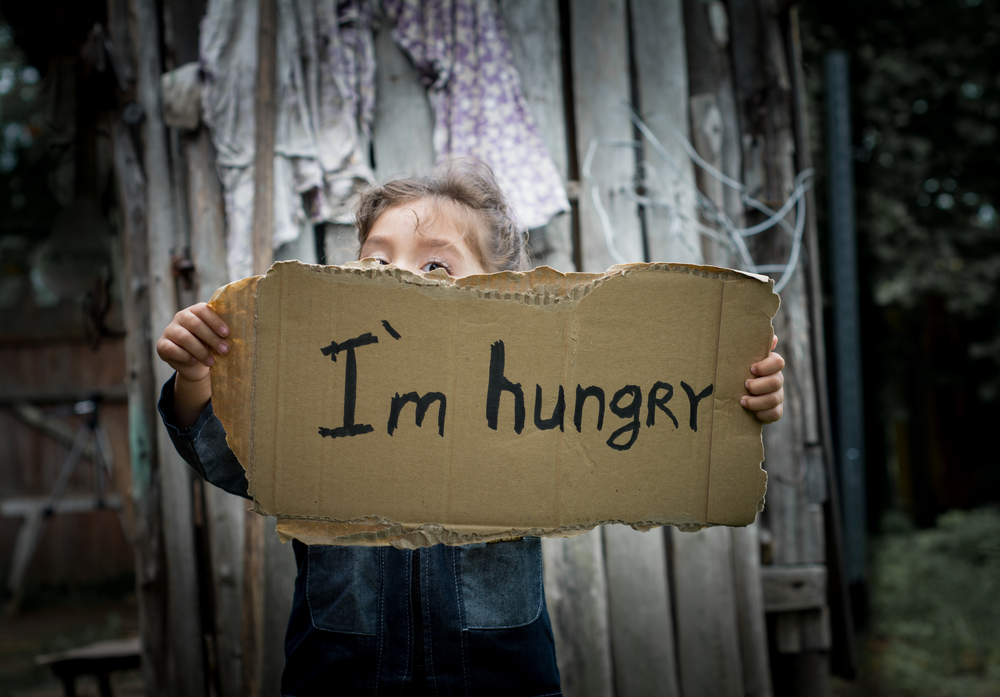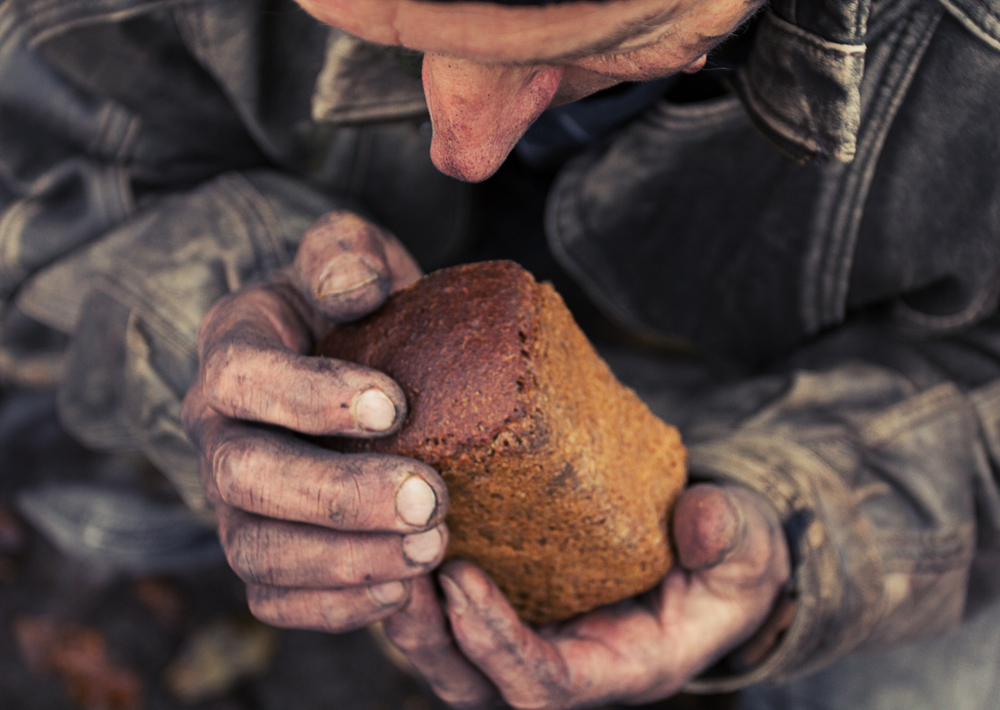
There are close to one billion people suffering from hunger around the world, and most of them live in developing countries.
Hunger and malnutrition produces misery, unhappiness and depression. People who are hungry are less productive. They are more likely to catch diseases and get sick and they find it difficult to work and earn a living and look after their families.

It is time to rethink how we grow, share and consume our food. If done right, agriculture, forestry and fisheries can provide nutritious food for all and generate decent incomes, while supporting people-centered rural development and protecting the environment.
Right now, our soils, freshwater, oceans, forests and biodiversity are being rapidly degraded. Climate change is putting even more pressure on the resources we depend on, increasing risks associated with disasters, such as droughts and floods. Many rural women and men can no longer make ends meet on their land, forcing them to migrate to cities in search of opportunities. Poor food security is also causing millions of children to be stunted, or too short for their ages, due to severe malnutrition.
A profound change of the global food and agriculture system is needed if we are to nourish the 821 million people who are hungry today and the additional 2 billion people expected to be undernourished by 2050. Investments in agriculture are crucial to increasing the capacity for agricultural productivity and sustainable food production systems are necessary to help alleviate the perils of hunger.

Climate related events, civil insecurity and unstable food production have all led to food scarcity and rising food prices.
Investment in the agriculture sector is a must to reduce hunger and poverty, to improve food security, and to create jobs.
Yes we can. It has been calculated that $267 billion per year on average will end world hunger by 2030.
Of course there will need to be investments in rural and urban areas so poor people have access to food and can improve their livelihoods. This will make them productive citizens and more able to contribute to society rather than being dependant.
Whether you are at home, at work or in your community, you can make adjustments. For example, support local farmers or your local markets. Fight food waste and make sustainable choices when buying your food.
As a consumer and voter, start to use your power by demanding businesses and governments make the choices and changes that help to make Zero Hunger become a reality.
If we can’t fix hunger, achieving other development goals such as health, education and equality become impossible to achieve.

The Hague Humanity Hub Fluwelen Burgwal 58, 2511 CJ The Hague, Netherlands
The Hague Humanity Hub Fluwelen Burgwal 58, 2511 CJ The Hague, Netherlands