They help with the breakdown and removal of waste and pollution, and their coastal ecosystems act as buffers to reduce damage from storms. Maintaining healthy oceans supports climate change mitigation and adaptation efforts.

The world’s oceans – their temperature, chemistry, currents and life – drive global systems that make the Earth habitable for humankind. Our rainwater, drinking water, weather, climate, coastlines, much of our food, and even the oxygen in the air we breathe, are all ultimately provided and regulated by the sea. Throughout history, oceans and seas have been vital conduits for trade and transportation.
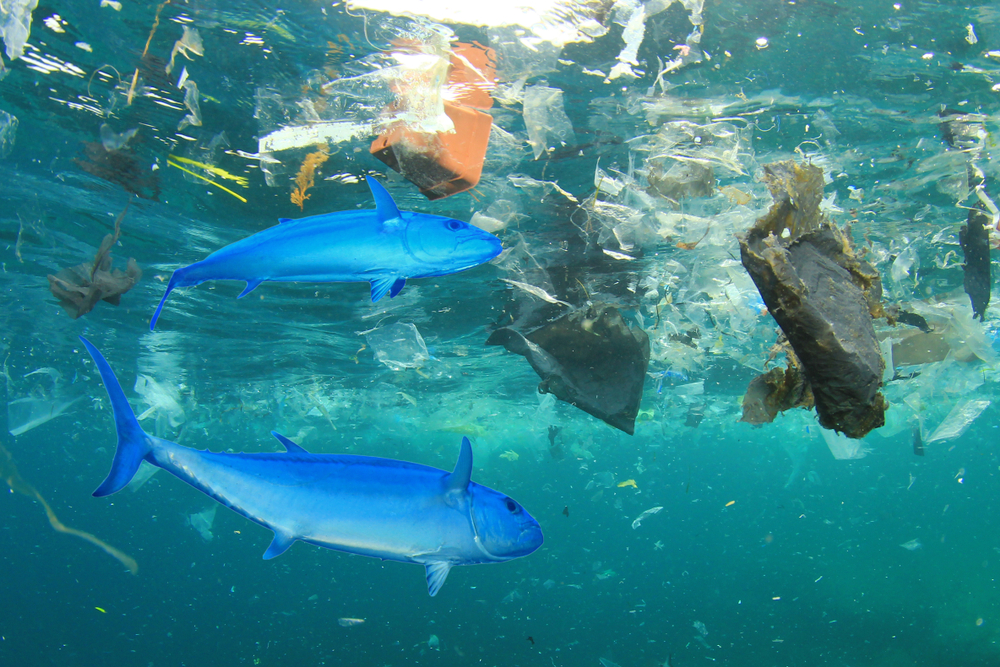
Careful management of this essential global resource is a key feature of a sustainable future. However, at the current time, there is a continuous deterioration of coastal waters owing to pollution and ocean acidification is having an adversarial effect on the functioning of ecosystems and biodiversity. This is also negatively impacting small scale fisheries.
Marine protected areas need to be effectively managed and well-resourced and regulations need to be put in place to reduce overfishing, marine pollution and ocean acidification.

ELLEN MACARTHUR FOUNDATION IN PARTNERSHIP WITH WEF

The Hague Humanity Hub Fluwelen Burgwal 58, 2511 CJ The Hague, Netherlands
The Hague Humanity Hub Fluwelen Burgwal 58, 2511 CJ The Hague, Netherlands