Inequality is a big concern. Over 1 billion people live in slums and this number keeps rising. The levels of urban energy consumption and pollution are also worrying. Cities occupy just 3 per cent of the Earth’s land, but account for 60-80 per cent of energy consumption and 70 per cent of carbon emissions. Many cities are also more vulnerable to climate change and natural disasters due to their high concentration of people and location, so building urban resilience is crucial to avoid human, social and economic losses.

Cities are hubs for ideas, commerce, culture, science, productivity, social development and much more. At their best, cities have enabled people to advance socially and economically. With the number of people living within cities projected to rise to 5 billion people by 2030, it’s important that efficient urban planning and management practices are in place to deal with the challenges brought by urbanization.
Many challenges exist to maintaining cities in a way that continues to create jobs and prosperity without straining land and resources. Common urban challenges include congestion, lack of funds to provide basic services, a shortage of adequate housing, declining infrastructure and rising air pollution within cities.
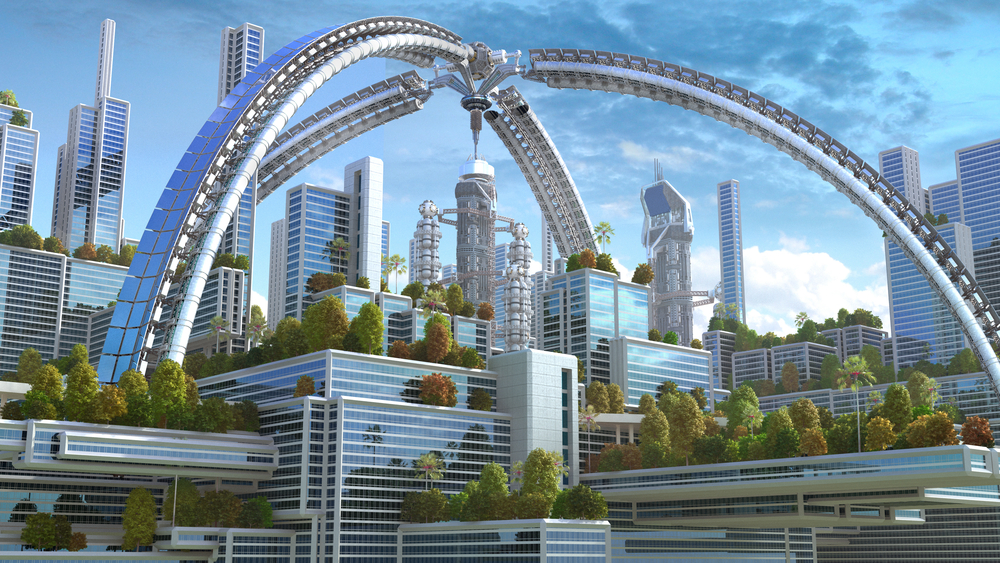
Rapid urbanization challenges, such as the safe removal and management of solid waste within cities, can be overcome in ways that allow them to continue to thrive and grow, while improving resource use and reducing pollution and poverty. One such example is an increase in municipal waste collection. There needs to be a future in which cities provide opportunities for all, with access to basic services, energy, housing, transportation and more.

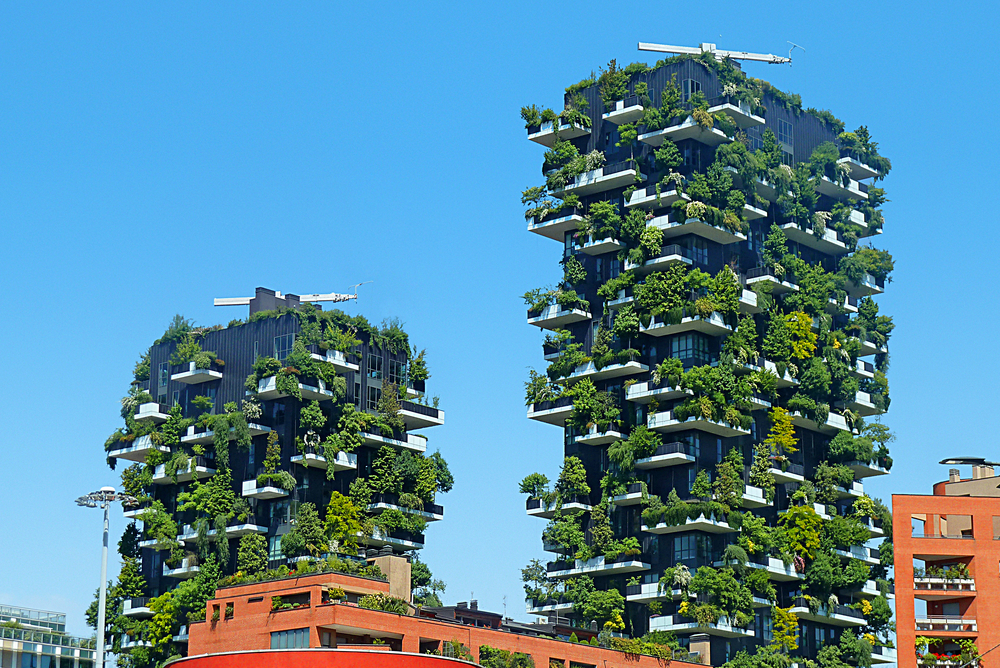
By choosing to act sustainably we choose to build cities where all citizens live a decent quality of life, and form a part of the city’s productive dynamic, creating shared prosperity and social stability without harming the environment.
UNITED NATIONS

The Hague Humanity Hub Fluwelen Burgwal 58, 2511 CJ The Hague, Netherlands
The Hague Humanity Hub Fluwelen Burgwal 58, 2511 CJ The Hague, Netherlands