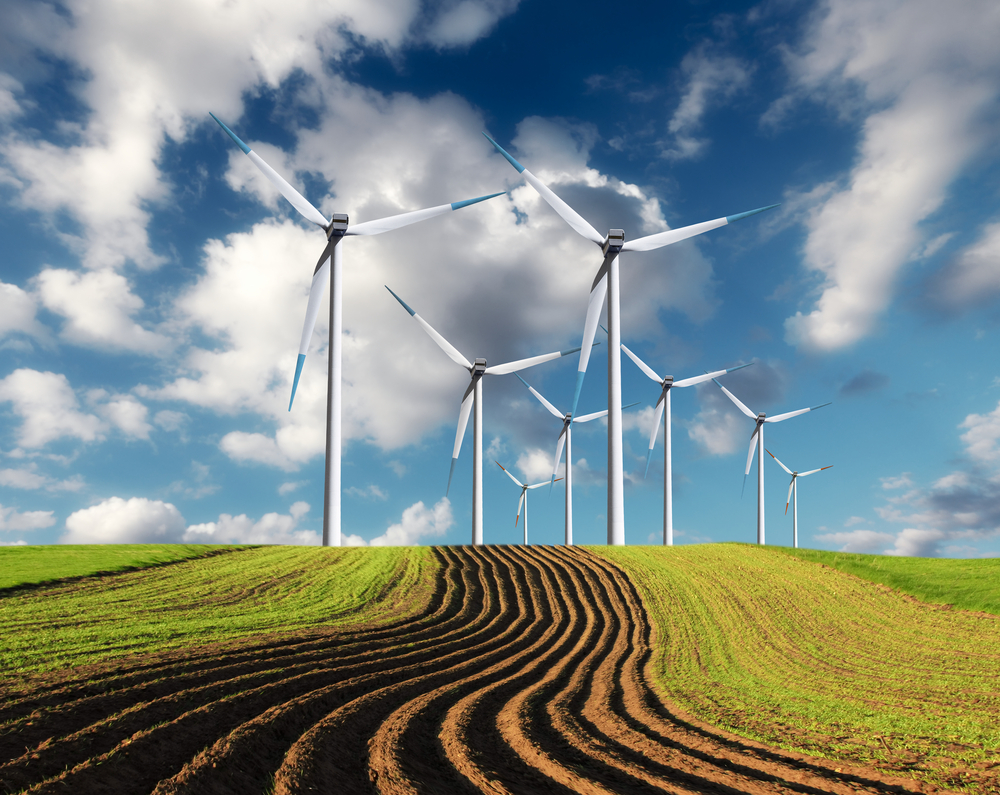
Renewable energy is making impressive gains. But we need more focused attention to improve access to clean and safe cooking fuels and technologies for 3 billion people.
The world needs to triple its investment in sustainable energy infrastructure per year, from around $400 billion now to $1.25 trillion p.a. by 2030. Regions with the greatest energy deficits, sub-Saharan Africa and South Asia, need our help to improve energy access. That includes pushing harder to find clean, efficient, and affordable alternatives to health-damaging methods of cooking and heating.

Energy is central to nearly every major challenge and opportunity the world faces today. Be it for jobs, security, climate change, food production or increasing incomes, access to energy for all is essential. Working towards this goal is especially important as it interlinks with other Sustainable Development Goals. Focusing on universal access to energy, increased energy efficiency and the increased use of renewable energy through new economic and job opportunities is crucial to creating more sustainable and inclusive communities and resilience to environmental issues like climate change.
At the current time, there are approximately 3 billion people who lack access to clean-cooking solutions and are exposed to dangerous levels of air pollution. Additionally, slightly less than 1 billion people are functioning without electricity and 50% of them are found in Sub-Saharan Africa alone. Fortunately, progress has been made in the past decade regarding the use of renewable electricity from water, solar and wind power and the ratio of energy used per unit of GDP is also declining.
However, the challenge is far from being solved and there needs to be more access to clean fuel and technology and more progress needs to be made regarding integrating renewable energy into end-use applications in buildings, transport and industry. Public and private investments in energy also need to be increased and there needs to be more focus on regulatory frameworks and innovative business models to transform the world’s energy systems.


The Hague Humanity Hub Fluwelen Burgwal 58, 2511 CJ The Hague, Netherlands
The Hague Humanity Hub Fluwelen Burgwal 58, 2511 CJ The Hague, Netherlands